
Understanding medical packaging symbols and why they matter

Medical device packaging is covered in symbols that most people glance past without a second thought. But these small icons carry real weight; they communicate standardized safety and usage information that crosses language barriers, making them readable to healthcare professionals across the globe. Unlike the symbols you’d find on a shipping box or consumer product, medical packaging symbols are purpose-built for clinical environments. They tell healthcare professionals whether a device is sterile, how it must be stored, when it expires, and how to trace it if something goes wrong.
Key Takeaways
- Medical packaging symbols provide critical information about product safety, storage, and usage.
- Many symbols are standardized internationally to support global healthcare distribution.
- Sterility, expiration dates, and traceability markings help reduce safety risks.
- Certain symbols indicate sterilization methods used during manufacturing.
- Storage and handling symbols help maintain product effectiveness before use.
- Identification markings support recalls, inventory management, and regulatory compliance.
Common medical packaging symbols at a glance
| Symbol Category | What It Communicates | Typical Examples |
| Sterility Symbols | Sterilization status and method | Sterile, Sterilized Using Radiation |
| Usage Symbols | Instructions and restrictions | Do Not Reuse, Single Use |
| Date Symbols | Product lifecycle information | Use By Date, Date of Manufacture |
| Storage Symbols | Environmental requirements | Temperature Limit, Keep Dry |
| Traceability Symbols | Product identification | Lot Number, UDI, Catalog Number |
| Information Symbols | Additional guidance | Consult Instructions for Use |
Sterility symbols indicate product readiness
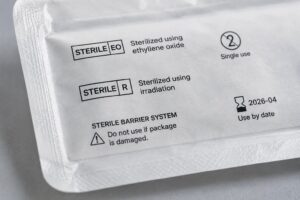
For many medical products, sterility is one of the most important factors affecting patient safety. Sterility symbols help confirm that a device or product has undergone a validated sterilization process before reaching healthcare providers.
Examples include:
- Sterile
- Sterilized Using Ethylene Oxide
- Sterilized Using Radiation
These symbols tell users that the product was processed to eliminate harmful microorganisms. In some cases, they also identify the sterilization method used during manufacturing.
However, maintaining sterility depends on more than the symbol itself. The packaging must remain sealed and undamaged throughout storage, transportation, and handling. If the sterile barrier is compromised, the product may no longer be considered sterile regardless of the markings displayed on the package.
Usage symbols help reduce risk
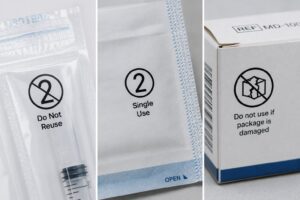
Medical packaging frequently includes symbols that communicate how a product should (or should not) be used.
Common examples include:
- Do Not Reuse
- Single Use
- Do Not Use if Package Is Damaged
These symbols help prevent situations that could lead to contamination, infection, or product failure. For instance, devices intended for single use are not designed to be reprocessed and may not perform safely if used again.
Similarly, damaged packaging can affect product integrity even when the contents appear unaffected. Usage symbols provide quick visual reminders that support safer decision-making in clinical environments.
Date symbols support safe product management
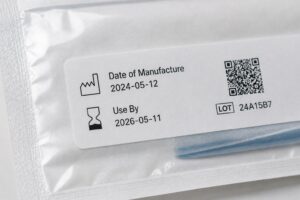
Many medical products have specific shelf lives or performance windows. Date-related symbols help users determine whether a product is still suitable for use.
Common date markings include:
- Use By Date
- Manufacturing Date
These symbols are particularly important for sterile products, medical devices, and products containing materials that may degrade over time. They also help healthcare facilities manage inventory and rotate stock effectively.
By clearly identifying important dates, packaging helps ensure products are used within their intended lifecycle.
Storage symbols protect product quality

Environmental conditions can directly impact the effectiveness and safety of medical products. Storage symbols communicate the conditions required to maintain product integrity until use.
Examples include:
- Temperature Limit
- Keep Dry
- Protect From Sunlight
Exposure to excessive heat, moisture, or light can damage packaging materials or affect the performance of sensitive medical products. Storage symbols provide guidance that helps preserve quality throughout distribution and storage.
Whether a product is sitting in a warehouse, clinic, or hospital supply room, these markings help ensure it remains in the condition intended by the manufacturer.
Traceability symbols enable product tracking
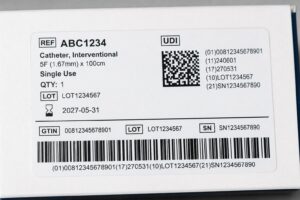
Medical packaging plays a major role in product identification and recall management. Traceability symbols allow organizations to track products throughout the supply chain and quickly identify affected items if issues occur.
Common examples include:
- Lot Number
- Catalog Number
- Unique Device Identifier (UDI)
These markings support inventory control, quality assurance programs, and regulatory requirements. If a defect, safety concern, or recall is identified, traceability information makes it easier to locate impacted products and take corrective action.
Although many consumers never notice these symbols, they are essential components of modern healthcare logistics.
Different users rely on different symbols
Not every symbol is intended for the patient. Medical packaging often serves multiple audiences simultaneously.
| User Group | Most Relevant Symbols |
| Healthcare Professionals | Sterility, usage restrictions, expiration dates |
| Logistics and Warehouse Teams | Storage and handling requirements |
| Manufacturers | Batch identification and traceability |
| Regulatory Authorities | Compliance and identification markings |
This is one reason medical packaging can appear more technical than consumer packaging. Each symbol provides information that supports a specific stage of the product’s journey.
Packaging and symbols work together
Symbols communicate important instructions, but they cannot protect a product on their own. The effectiveness of those instructions depends on packaging that maintains product integrity throughout distribution and storage.
For example:
- A sterile symbol cannot preserve sterility if the seal is broken.
- A temperature symbol cannot prevent improper storage.
- A lot number cannot support a recall if packaging information is damaged or missing.
Medical packaging is therefore designed to do more than display information. It serves as a protective system that works alongside symbols to maintain safety, traceability, and performance from manufacturing through final use.
Final thoughts
Medical packaging symbols may seem small, but they communicate some of the most important information found on a package. From identifying sterile products and expiration dates to supporting recalls and proper storage, these markings help healthcare professionals make informed decisions every day.
Together with well-designed packaging, medical symbols contribute to product safety, regulatory compliance, and reliable healthcare delivery. The next time you encounter a medical package covered in unfamiliar icons, you’ll know that each symbol plays a role in helping ensure the product reaches its destination safely and performs as intended.